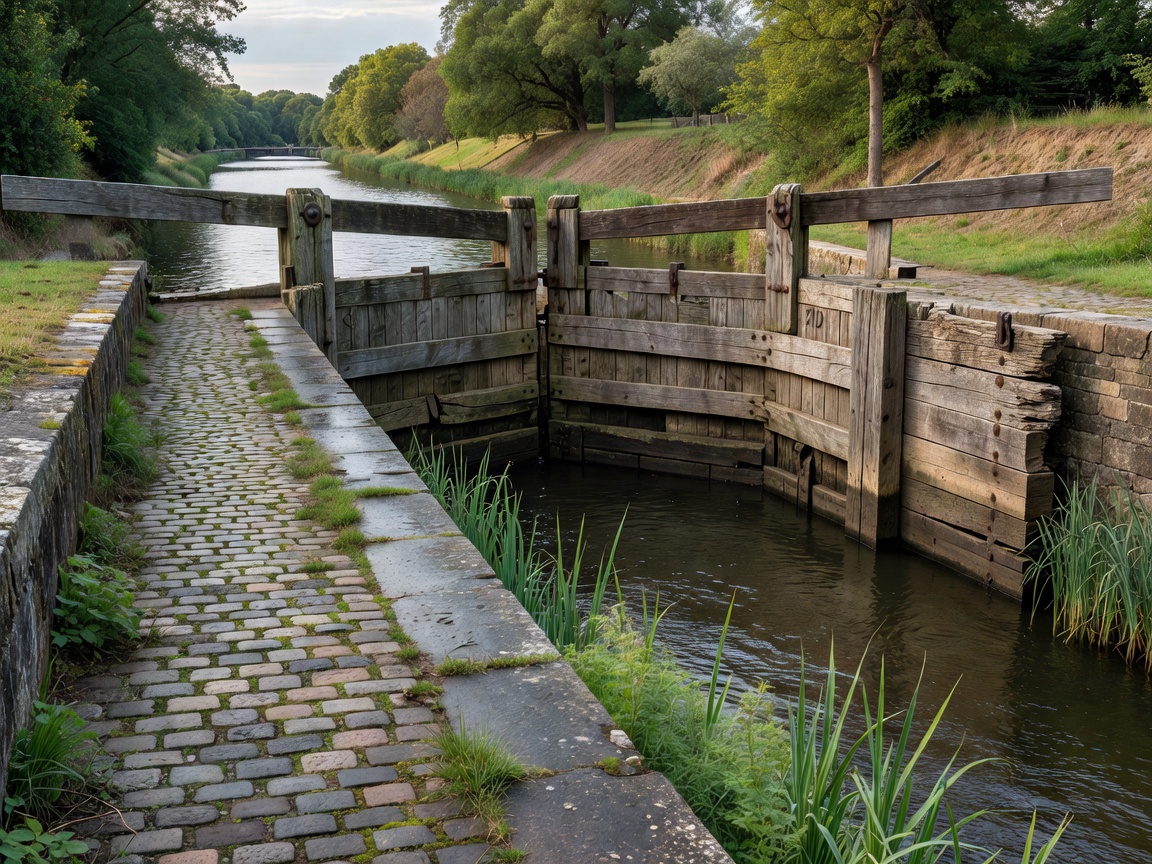
What a lock does
A lock is a chamber between sections of water at different levels. Gates and water controls allow a boat to move between those levels. Locks exist because canals cross changing terrain or connect waterways with different elevations. Their design, operation and local procedures vary.
For a holiday crew, a lock is both a route feature and a time variable. It may require line handling, communication, waiting and careful attention to instructions. The boat operator should provide a practical briefing. Follow that briefing, the signs on site and the applicable waterway rules. Do not operate unfamiliar equipment without instruction.
Depth, bridges and signs
Canal depth can vary with weather, traffic, maintenance and water management. A boat’s draft is the depth it needs below the waterline. Confirm that the boat and route are compatible. Bridge restrictions can involve height, width, turning space or opening arrangements. Air draft means the height needed above the water. Ask for current route information rather than relying on a general map.
Navigation signs communicate direction, priority, restrictions, hazards and local operating information. Read them early. Passing areas may be limited. Slow down where visibility, width, traffic or pedestrian activity requires it. Keep the boat under control and use the operator’s instructions.
Mooring basics
A mooring is a place where a boat can stop. It may be formal, informal, short-stay, rural, urban or subject to local conditions. A visually attractive bank is not automatically an authorised or safe stopping place. Check the boat operator’s guidance and local rules before relying on a location.
Plan several possible stopping areas rather than one exact evening berth. Consider depth, bank condition, access, nearby traffic, shade, noise, weather exposure and the needs of every traveller. Keep access routes clear. Respect residents, towpath users, wildlife and other boats. Leave the location clean and avoid creating an obstruction.
Waterway etiquette
Give other users room. Reduce wash near moored boats, narrow banks and sensitive edges. Pass with patience. Do not assume another crew can see or predict your movement. Follow local priorities at bridges, junctions and locks. Commercial traffic and larger vessels may have different handling characteristics. Allow space and listen to the operator’s briefing.
Daily planning
Use a route plan with a start point, likely stopping area, supply option and fallback. Treat published distances and timings as planning categories, not promises. Lock queues, weather, bridge arrangements, fatigue and access needs can change the day. A shorter plan with margin is usually more useful than a full itinerary.
Rules and restrictions can change. This guide is general information, not operational or legal advice. Send a general question →