Boat categories are working categories
Narrowboats are long, relatively slender boats associated with many British canals. Their proportions can suit restricted waterways, but internal layouts vary widely. Canal cruisers is a broad term for leisure boats designed for inland travel. Inland-waterway boats may be built for different waterway widths, bridge clearances and operating conditions. The name alone does not establish where a boat can go.
Ask for the boat’s permitted cruising area, dimensions, air draft, draft, turning characteristics and operating requirements. These details vary by vessel. The boat operator’s specification and briefing are the controlling sources for a particular hire.
Sleeping and living zones
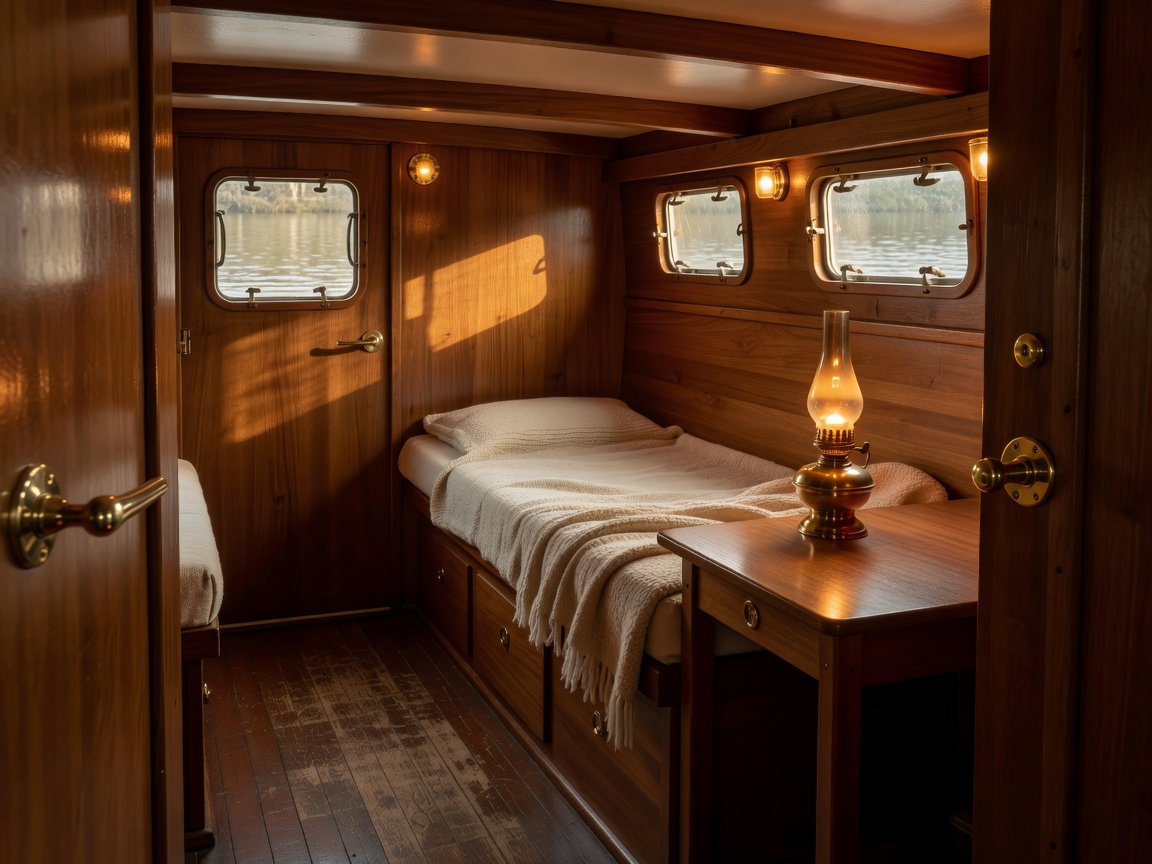
Cabins can include fixed beds, convertible seating, separated rooms or open-plan arrangements. A couple may value a dedicated sleeping area. A family may need a layout that separates adults and children. Count usable beds rather than advertised capacity, and ask how much daily conversion is required.
Compact boats can be easier to manage and cheaper to heat, but storage and bathroom space may be limited. Larger boats can provide better separation and indoor comfort, while demanding more attention to handling, mooring and access. Neither category is universally better.
The galley is the kitchen area. Check worktop space, refrigeration, cooking equipment, ventilation and access to water. A group planning simple meals may need less equipment than a group cooking every evening. Confirm what is supplied and what must be brought.
Bathrooms vary in size and system. Ask whether the toilet is cassette, pump-out or another arrangement, and learn the operator’s use and disposal instructions. Water storage and waste capacity affect replenishment planning. Do not assume a boat’s tank size matches your group’s habits.
Systems and comfort
Heating may use diesel, gas, electricity or another system. Understand controls, ventilation and what happens when the boat is not connected to shore power. Electrical capacity affects charging devices and appliance use. Follow the operator’s instructions and never alter equipment without permission.
Deck space can support outdoor meals, line handling and viewing, but it also needs safe movement and clear access. Storage is often more important than it looks. Soft bags may fit more easily than rigid cases. Ask where food, wet clothing, lifejackets and cleaning supplies are kept.
Compare by group, not brochure
Beginner checks
Request clear information about induction, handling, fuel categories, water filling, waste disposal, emergency contact arrangements and accessibility. Confirm who is responsible for equipment, cleaning and damage reporting. Ask whether the boat fits the route’s bridges, locks and mooring style.
Exact specifications, prices and availability change. This guide does not endorse a boat, brand or operator. Move to holiday planning →