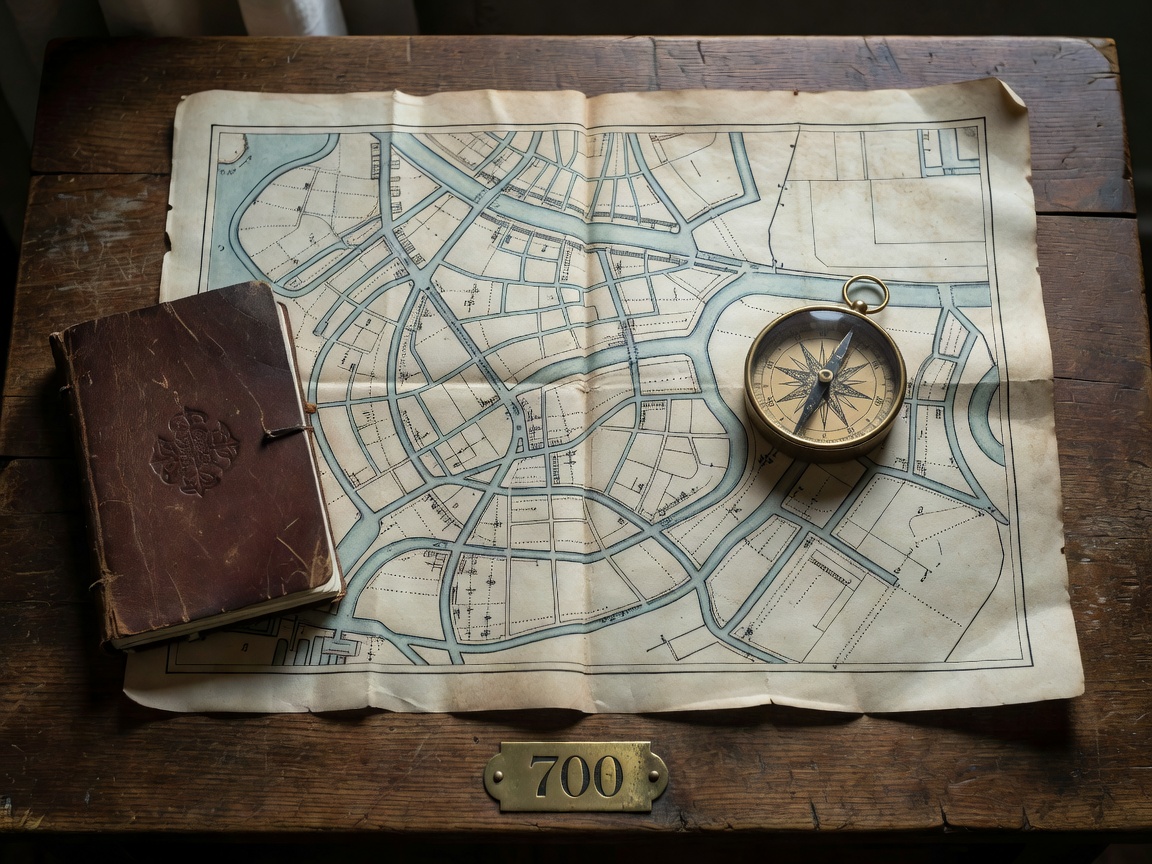
Choose the region first
Begin with the waterway character your group wants. Rural channels prioritise landscape and quiet stops. Town-focused routes offer food, culture and transport connections. Larger waterways may involve different boat categories, traffic and navigation expectations. Compare the regional environment with the group’s experience, mobility and appetite for practical tasks.
Set the route and pace
Choose a route structure before selecting landmarks. Decide between a return, circle or linear journey, then allow margin for locks, bridges, weather, provisioning and rest. A route that fills every day leaves little room for delays. Ask where the boat can stop, how the trip returns to its starting point and what happens if the group travels less than planned.
Select the boat
Match the boat to group size, sleeping arrangements, storage, bathroom access, heating and cooking habits. Compact boats can simplify handling but reduce room. Larger boats can improve separation while adding management requirements. Check dimensions, permitted waterways, air draft, draft, electrical systems, water storage and waste arrangements with the operator.
Accessibility needs should be discussed early. Consider boarding height, step-free movement, bathroom access, bed transfer, deck circulation, visual information and emergency arrangements. Accessibility is boat-specific and route-specific. Request precise information rather than relying on broad labels.
Season and provisions
Season affects daylight, temperature, rainfall, vegetation, demand and the comfort of outdoor areas. It does not guarantee a particular weather pattern. Pack layers, waterproof clothing, practical footwear and sun protection according to the forecast and operator guidance. Plan food around storage, refrigeration, cooking capacity and opportunities to restock. Include drinking water and any required personal supplies.
Money and terms
Compare the total trip cost, not only the headline hire figure. Review deposits, cancellation terms, insurance options, fuel categories, cleaning charges, damage procedures, transfers, food, travel to the base and possible equipment costs. Prices and booking conditions change. Read the current supplier terms before committing. This platform does not quote or verify operator prices.
Contingency planning
Write down who to contact for boat problems, how the group will handle illness, where a shorter day could end and how transport works if plans change. Carry relevant documents, emergency contacts and medication. Check mobile coverage assumptions with caution. Follow local safety information and the operator’s briefing.
Availability, restrictions, weather and local requirements must be checked with current sources. Contact the atlas desk →