Read the region before reading the route
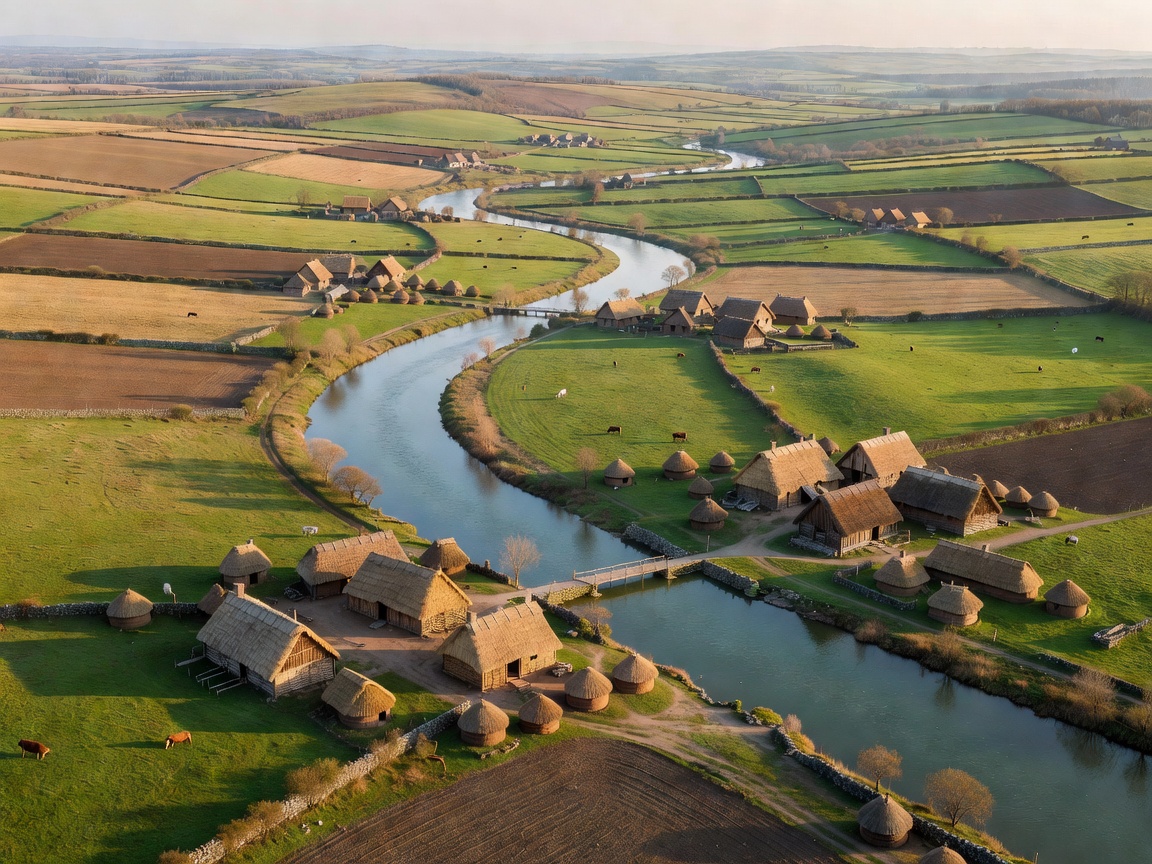
French waterways are often considered through a rural lens: long stretches of countryside, planted banks, small settlements and historic town centres. The experience varies sharply between commercial rivers, narrower canals and linked networks. Lock arrangements, operating systems and local navigation information need checking for the specific waterway. A route that looks simple on a map can still require careful timing around locks, bridges or restricted sections.
Belgian waterways can combine industrial heritage, urban edges and quieter rural channels. Canal towns may sit close to working infrastructure. Expect a more mixed visual field than a purely pastoral route. Waterway scale and traffic context matter, particularly where a leisure boat shares space with larger craft. Local signs and operator briefings should guide practical decisions.
Dutch waterways are closely connected to towns, drainage landscapes, bridges and working water. The country’s network is varied rather than uniform. Some journeys feel rural; others pass through active urban corridors. Bridge signals, passing etiquette and mooring rules can be more prominent planning categories. Wind exposure and open water can affect comfort even when the route is technically inland.
German waterways range from canalised rivers and engineered corridors to attractive regional channels. Infrastructure can be substantial. Town access, commercial traffic, bridge arrangements and local regulations may be more important than visual scenery alone. Treat navigation charts and current authority information as part of the route file, not as optional reading.
British inland waterways have a distinct character shaped by narrow canals, towpaths, historic structures and compact settlements. Narrowboats are strongly associated with this environment, but boat suitability still depends on the route and crew. Locks may be frequent on some sections and absent for long stretches on others. Waterway etiquette, towpath awareness and operator instruction are central to a responsible trip.
Italian canal areas are regional and should not be treated as one national system. Lagoon edges, historic urban waterways, river-linked channels and agricultural drainage landscapes create different experiences. Heat, shade, local access and seasonal conditions can influence comfort. A route may be culturally rich while offering fewer conventional canal-holiday facilities than a mature hire network.
Central European waterways often connect rivers, canals, reservoirs and urban ports. The distinction between a quiet canal holiday and a larger-water navigation environment can be significant. Boat category, experience requirements, permitted areas and current notices deserve early review. Scenic sections may sit alongside active logistics corridors.
Comparison by planning category
Good for
Choose a rural French or British route when towpaths, villages and a slower rhythm matter most. Consider Dutch or Belgian waterways for stronger town and infrastructure connections. Look at German and Central European networks when broader navigation environments interest your group. Treat Italian areas as region-specific research rather than a single category.
What to know before selecting
Confirm the waterway type, boat permissions, lock expectations, bridge restrictions, mooring approach, provisioning access and return logic. Current closures and local requirements can change. This platform does not verify live conditions and is not affiliated with any authority, operator or tourism body.